
W. W. Jacobs, The Monkey’s Paw, (1902)
He went down in the darkness, and felt his way to the parlour, and then to the mantelpiece. The talisman was in its place, and a horrible fear that the unspoken wish might bring his mutilated son before him ere he could escape from the room seized upon him, and he caught his breath as he found that he had lost the direction of the door.
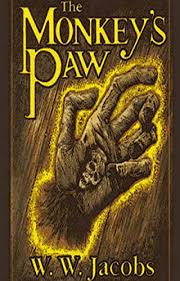
The Monkey’s Paw is an essential of the short story genre. It is also an essential of the thriller/horror genre and is full of suspense and deeper messages. The premise of the story is well known but having read this years ago it was interesting to re-read it with greater attention and awareness.
The story begins with the backstory for the mystical artefact, the monkeys paw that only possesses its ethereal nature due an old fakir in India. The paw is brought to the White family by a sergeant-major whom had already experienced the dangers of the wishes. There is a lot of dramatic foreshadowing in the story with the sergeant-majors description of the fakir’s enchantment.
“It had a spell put on it by an old fakir,” said the sergeant-major, “a very holy man. He wanted to show that fate ruled people’s lives, and that those who interfered with it did so to their sorrow.”
With three separate individuals granted three wishes the inevitable conclusion of the story is unsurprising and ultimately fulfills the fakir’s intention. Greed is a theme throughout this story with any reader perhaps questioning whether the family truly listened to the sergeant-majors tale after Mr. White rescued the paw from the fire. However, it is the possibility of wishing for wealth, fame and happiness that draws Mr. White to save the paw from the flames.
Mr. White’s personal admittance that he does not know what to wish for and has everything he wants is a perfect setup for the sort of lessons that the fakir intended. At that point, all of his wishes are likely to be a form of greed and challenging fate. The classic question of ‘what would you wish for if you had three wishes?’ is therefore problematized in The Monkey’s Paw as the unforeseen consequences of the persons wishes come back to haunt them. In some ways this could also be seen as a personally realized butterfly effect. This is not the only story that uses such a trope and it is not rare for the aforementioned classic question to expand to a discussion of the implications of specific wishes.
There is a somewhat ambiguous ending to the story but while the first and second White family wish are verbalized the third is unspoken. The reader should be able to infer what the third wish is, and therefore, the significance of the conclusion but there are further connotations to this passage that are important. The story is heavily anthologized as a result of the various literary analysis that can take place and is also adapted to the screen for its gripping tale. The ultimate message of the tale epitomizes the statement, ‘be careful what you wish for.’
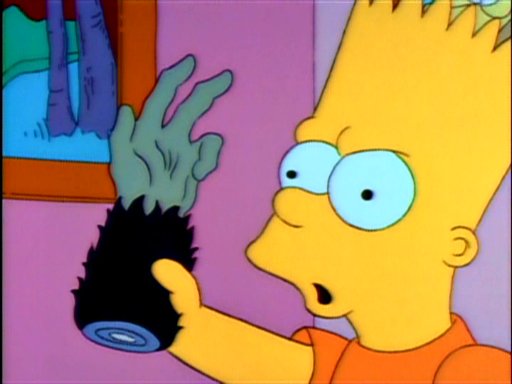
The story shares many common themes with other stories of its genre. This is however, one of the essential short stories that is also not difficult to understand or follow. The mix of suspense, horror and supernatural are blended seamlessly. The reader is made to question their own choices in the same circumstances and raises the possible impact of unintended consequences. A quick wiki search shows a list of 29 digital adaptations/influenced works (including a Halloween episode of the Simpsons) as well as a number of literary works inspired by W. W Jacobs short story. It is unsurprising that the story would inspire this amount of work as the core concept of the story “The Monkey’s Paw” is easily adaptable.
 The Weekly Book Report