
Alan Moore & David Lloyd, V for Vendetta, (2008)
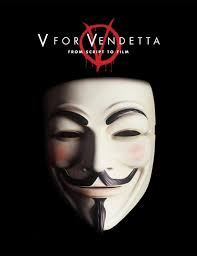
Originally first run in 1982 as a series of comics and published over a span of years the compiled edition first released in 2006 collects three books into a feature length comic book. V for Vendetta is perhaps most closely associated with the Guy Fawkes mask that the protagonist ‘V’ dons throughout the story. Having been a huge fan of the film I was excited to read its inspiration. This original did not disappoint, with the same philosophical points and dark imagery and visuals that made the film the success it was. Seeing the segmented fashion of the book in comparison to the film was an interesting difference through the three books of ‘Europe after the Reign‘, ‘The Vicious Cabaret‘ and ‘The Land of Do-as-you-please‘. The separate chapters within these books are aligned with the original separate comic issues in the compiled edition, a nice fact that shows how the story was initially released and paced. It has been a while since I have watched the film adaptation but there are some differences between it and its literary material.
While there are many allusions throughout the story, perhaps the most significant is the 5th of November and Guy Fawkes. An English tradition, bonfire night has been celebrated since November 5th 1605. Interestingly it celebrates something not happening as King James was not blown up by a group of Catholic conspirators. Guy/Guido Fawkes was part of this group as they laid explosives under the House of Lords to blow up parliament. However, the plot was foiled and guards found Fawkes guarding the explosives. The public were allowed bonfires to celebrate the foiling of the gunpowder plot and this tradition has since continued with an effigy of Guy Fawkes often placed on top of the bonfire. This allusion in V for Vendetta is pertinent given V’s target which was to bring down the oppressive government structure.
Remember, remember the fifth of November,
The gunpowder, treason and plot,
I know of no reason why the gunpowder treason,
Should ever be forgot.
(V utters the classic 5th of November rhyme as the Houses of Parliament are blown up)
As a victim of the Norsefire regime, V seeks vengeance, creating a vendetta (observe the clever title!) The protagonist not only seeks a revolution but also revenge for the figures who oversaw his treatment in the regimes concentration camps. As the story follows this path the iconic figure of V begins to assume even more of a significance. The seemingly all powerful regime begins to crumble through the actions of one individual and in turn this inspires others. V embodies an idea and as the protagonist himself states:
Ideas are bullet-proof.
While the ending of the story is not clean-cut there is the clear concept that by embodying an idea V inspired the population to challenge the regime. The story ends as the revolution has only truly begun, however, what it does show is the importance of a clear idea to believe in. V for Vendetta has clear warnings against regimes preaching xenophobia and repression and is hugely significant in modern political discourse. The themes and trends of the ruling party in this story should be considered in the modern day.
The Norsefire regime not only repressed education and knowledge but they also eliminated opposition. The rise of such a party out of turmoil is covered in the flashbacks within the story and this counter-factual history style has always been fascinating to me. There are historical precedents as well as pertinent modern day comparisons. This book can almost be seen as a textbook on how autocratic regimes come to power and stay there. However, almost as importantly it also presents an image of hope, the importance of an idea and the ability of people to resist and persevere in the face of oppression.
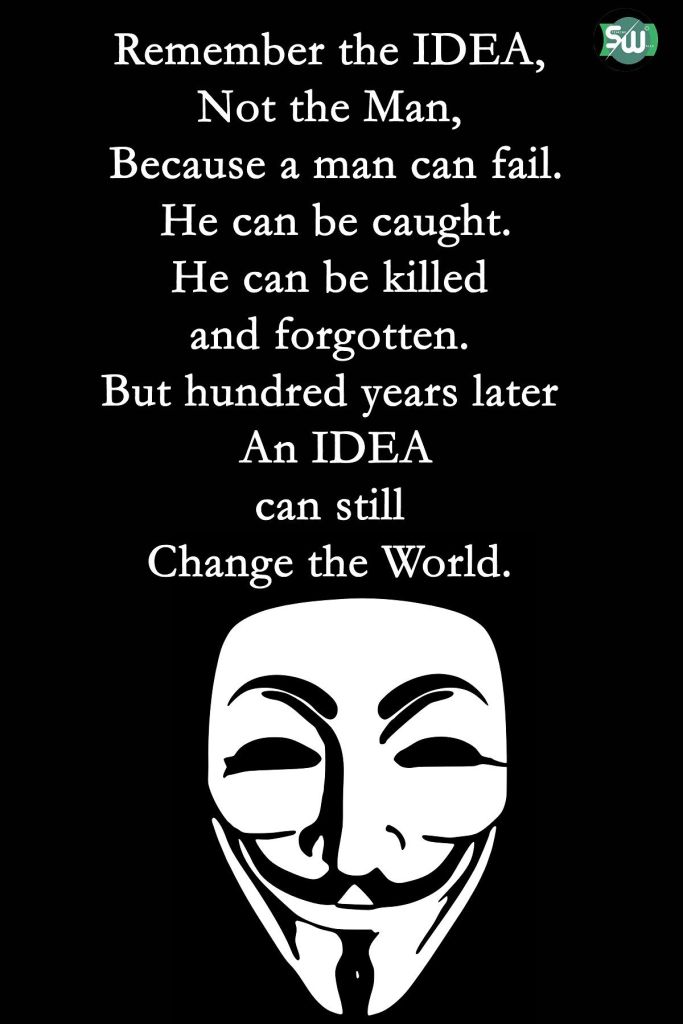
The dark style and somewhat depressing subjects of the story are complemented by the significant concepts addressed. This is a must-read/must-watch film and story combination, it raises important questions as well as showing the importance of challenging authority. It also offers counter-factual history lessons in the emergence of fascist, authoritarian, police-state ideals and how they can come undone through ideas and the power of people. V for Vendetta is hugely significant culturally with the mask itself a symbol of the Anonymous group. This is itself part of the idea that V embodies, a collective, the concept that anyone and everyone could be V but it takes a common idea for this to happen. This idea is visually represented in the film more so than in the book but the reader does follow V’s protege Evey gradually coming to terms with the concept.
I had not realized that the film was actually based off a series of comics when I first saw it but I am glad that my friend lent me this book after I noticed it on his shelf. The book actually covers the stories environment and history much more fully than it is represented in the film. This to me made it a more engrossing read. Unfortunately there are also themes in the book that can be observed in the current day and this can make it slightly depressing. Nevertheless, V is an idea, a point of hope and as such it is not a wholly depressing book but one that ends with hope of a positive future in the world depicted.
 The Weekly Book Report