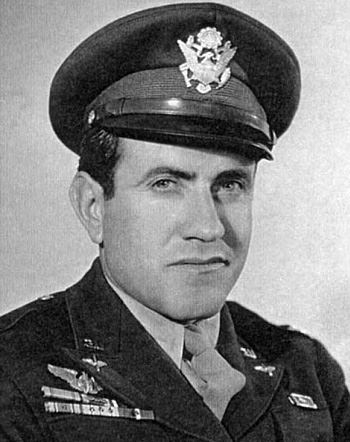
Louis Zamperini, and David Rensin, Don’t Give Up, Don’t Give In (2014)

Not many athletes stories start with smoking cigarettes at 6 but Zamperini’s story is far from traditional. In fact, the subtitle of this particular work on his life is “Life Lessons from an Extraordinary Man”, any reader would agree with this sentiment as they follow the twists and turns of his amazing life. Add that Angelina Jolie created a film adaptation called Unbroken and the true extraordinary nature of Louis Zamperini’s life is brought into a dramatic light. Stories of an individuals life would only be adopted to the screen with a compelling narrative and regardless of the reviews of Unbroken it certainly fits this mold. Sadly Zamperini passed away in 2014, the same year as Unbroken was released but he did manage to see most of the production and his positive experience with Jolie is noted in this book.
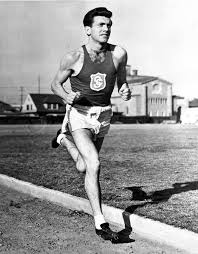
This story starts from his childhood and growing up in an Italian immigrant family in America. Not an easy childhood, the mischief that Louis got up to occupies the early chapters as he escapes punishment often but is eventually caught up. It is in this process of getting caught that his family and particularly his brother push him towards running. Putting his energy into running pushed him onto the Olympic path, prior to his competing at the 1936 Berlin Olympics his brother coached him and as he improved through school he earned his place at USC. During his collegiate career he ran an NCAA record (4m08s for the mile) on top of the high school state records that earned him his place and he was the youngest American 5000m qualifier for the Olympics. At the Olympics he received a personal invitation to meet Adolf Hitler due to his fast finish. While his running career in itself is fascinating to learn about, it is only really the start of Zamperini’s story.
A couple of years after graduation he enlisted in the army air force for World War II. It is this period of his life which becomes the prominent focus of Unbroken especially his traumatic experiences as a prisoner of war in Japanese camps. The description in the book of his drifting at sea feeds the message of not giving up, it is equally a prominent part of his story given his later experiences on return to the US but is not as addressed in the film adaptation. After 47 days adrift Zamperini and Russell Phillips were captured by the Japanese.
The vivid descriptions of the brutality in these camps as well as the position his fame earned him is somewhat mirrored in the adaptation. The endurance of these conditions is very raw in both formats though and his fame brought him special torment from guards. His situation and past did also earn him some privileges during his time in captivity when apart from the particular guards that singled him out. He had previously been announced as killed in action and his heroic welcome back to the US in 1945 catapulted him into celebrity status.
His personal life after his return occupies the rest of the book. This includes his becoming a born-again Christian and other escapades. However, the most jarring is his description of the PTSD and struggle with depression. As he states best himself:
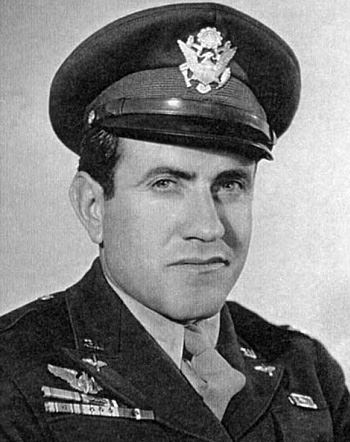
I survived the war, but then I had to survive myself coming home from the war.
Don’t Give Up, Don’t Give In, p.129
Louis Zamperini had those around him to help him but his story is far from unique and the vivid description of his struggles are very emotive. The process of overcoming all these obstacles shows why the book was titled the way it was. However, aside from the fascinating narrative it also highlights common issues for veterans as well as the brutality of war. Personally I found the experiences of his running career and time in the army the easiest to read as an interesting narrative with the later parts of the book dragging more. However, his life was undoubtedly extraordinary and inspiring and these elements are clearly evident in both the book and its adaptation.
Zamperini following his return and period of healing started speaking regularly and became an evangelist. All the experiences he had, he used to make a difference in the lives of those who had suffered similarly.
I preferred last weeks book to this one but given the extensive variety of experiences in Zamperini’s life the book will offer something different to every reader. Furthermore, to me it is another case of the book being greater than its adaptation. The life lessons though are valid and his story raises a number of important considerations. Namely supporting veterans when they return but also as the title says “Don’t Give Up, Don’t Give In”. Among other things Zamperini taught a lot of people and his life brightened many of those around him. His story shows that if you persist and endure there will be a brighter future and you can overcome obstacles while also teaching to be forgiving and kind to those around you.
For his obituary click here.
 The Weekly Book Report